
For years, headlines about housing felt like they were written in extremes: “market crash!” … “record prices!” … “mortgage rates crushing affordability!” It’s the kind of volatility that made both buyers and sellers hesitate. But as we turn the calendar toward 2026, something important is quietly happening: the market is starting to balance itself out.
1. A Shift From Chaos to Balance
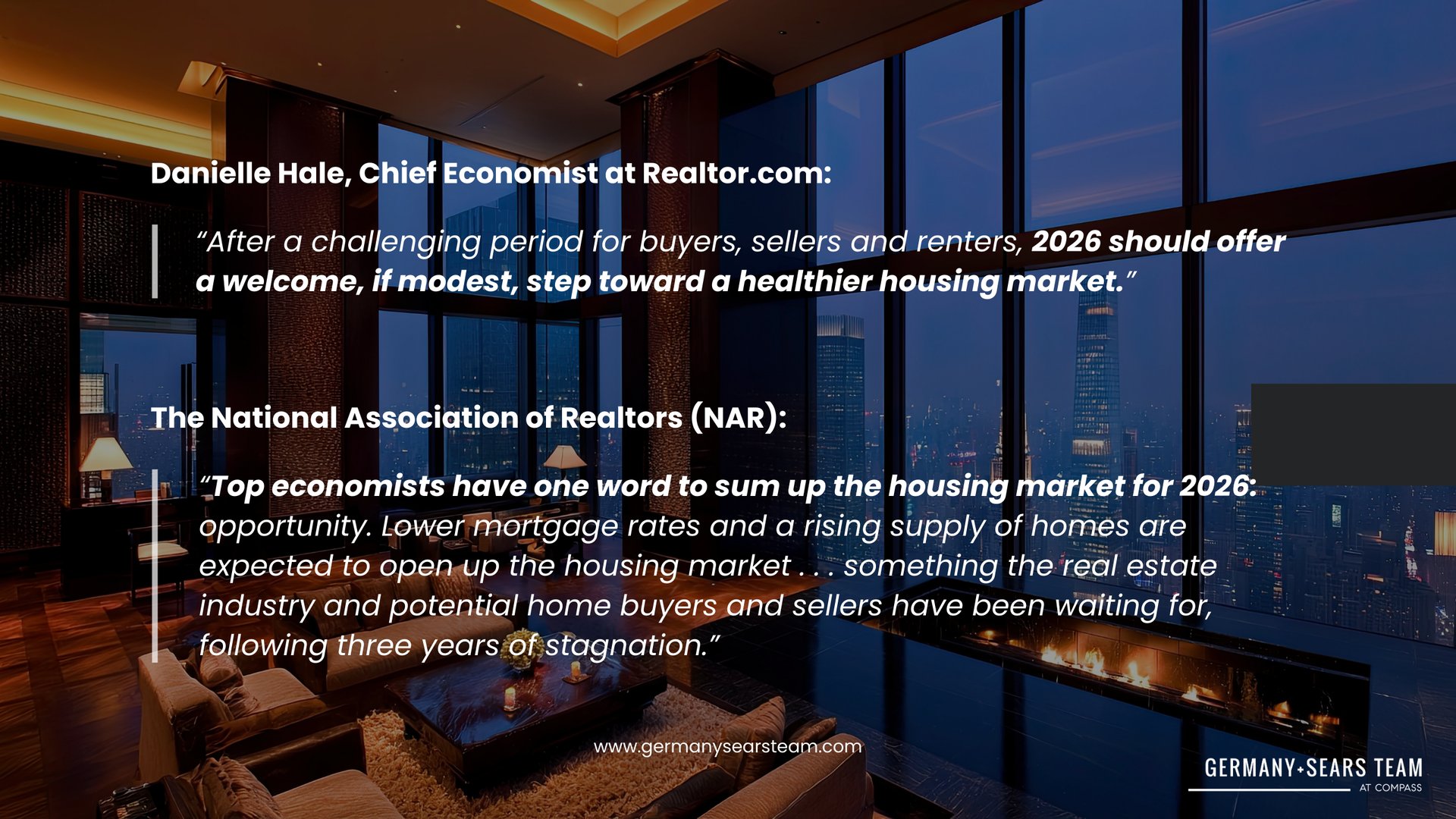
Let’s start with the baseline: 2025 was a year where the housing market felt like it was stuck in neutral. Sales were sluggish, prices climbed faster than incomes, and mortgage rates stayed elevated — all combining to make it harder for many buyers to enter the market. Investopedia
But now, economists and industry leaders are pointing to subtle, but meaningful, improvements:
-
More inventory is coming online. After years of historically low listings, more homes are available for sale — especially at a broader range of price points. That’s giving buyers more choices and alleviating some of the intense pricing pressure that dominated recent years. The McClung Group
-
Affordability isn’t fixed, but it’s less dire. Wage growth is beginning to keep pace with modest home price gains, meaning buyers’ purchasing power isn’t shrinking as it had. The McClung Group
-
Mortgage rates are trending slightly lower. Rates have cooled from their recent highs and are ending 2025 near yearly lows — a signal that 2026 might bring a bit more breathing room for buyers. Barron’s
This isn’t a housing boom or a dramatic turnaround; it’s something arguably better — a more predictable, more resilient market.
2. What This Means for Buyers
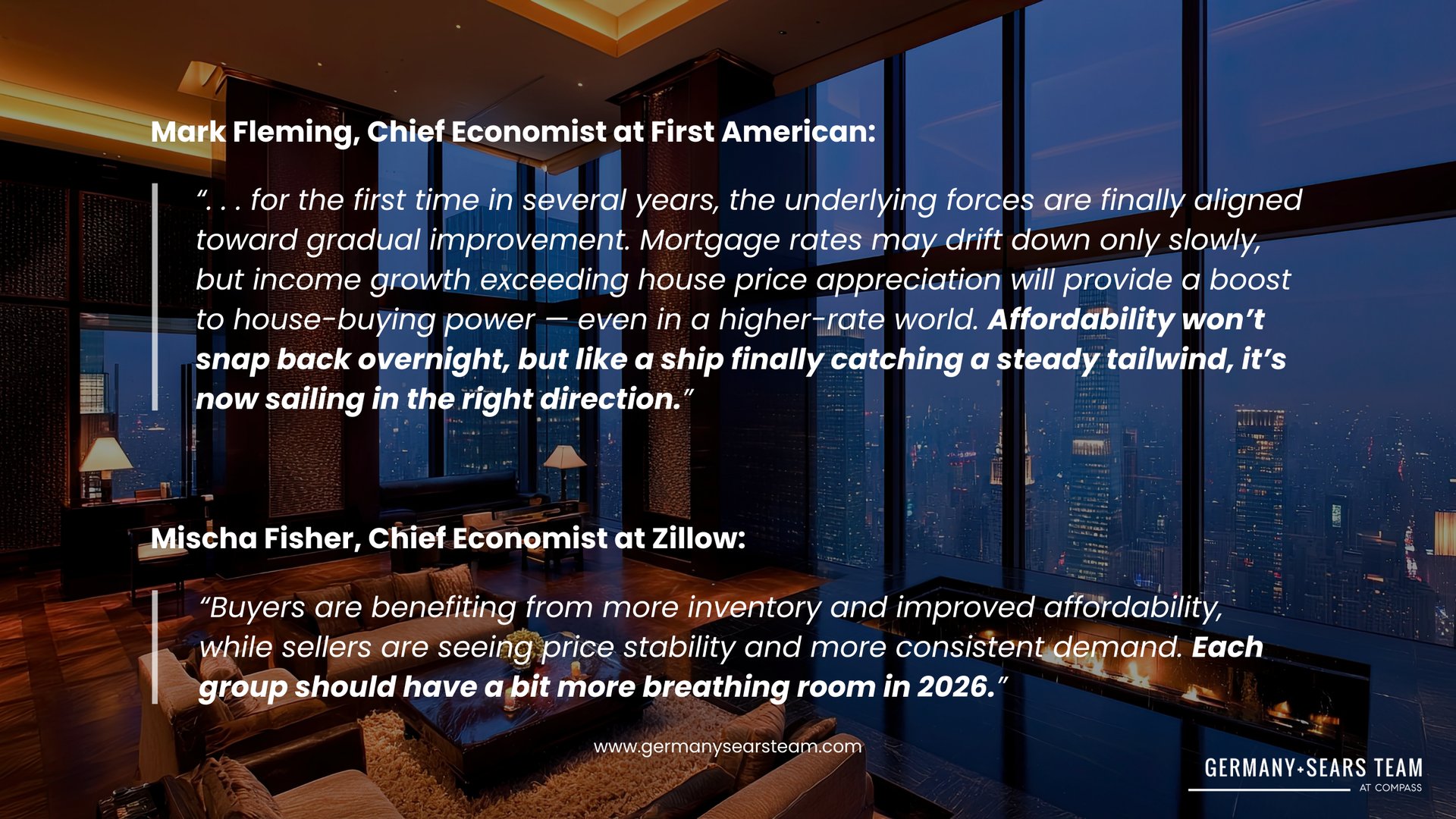
For many prospective buyers, the last few years felt like running uphill. High rates and fierce competition pushed traditional first-timers to the sidelines. 2026, however, could feel different:
-
More homes to choose from means buyers can be more selective. Noco Real Estate
-
Mortgage rates that aren’t spiking unpredictably make budgeting less stressful. Barron’s
-
Inventory rebounds give eye toward neighborhoods that were previously out of reach.
In other words, next year might actually reward strategy and preparedness rather than speed and luck.
3. Sellers Aren’t Losing Out Either
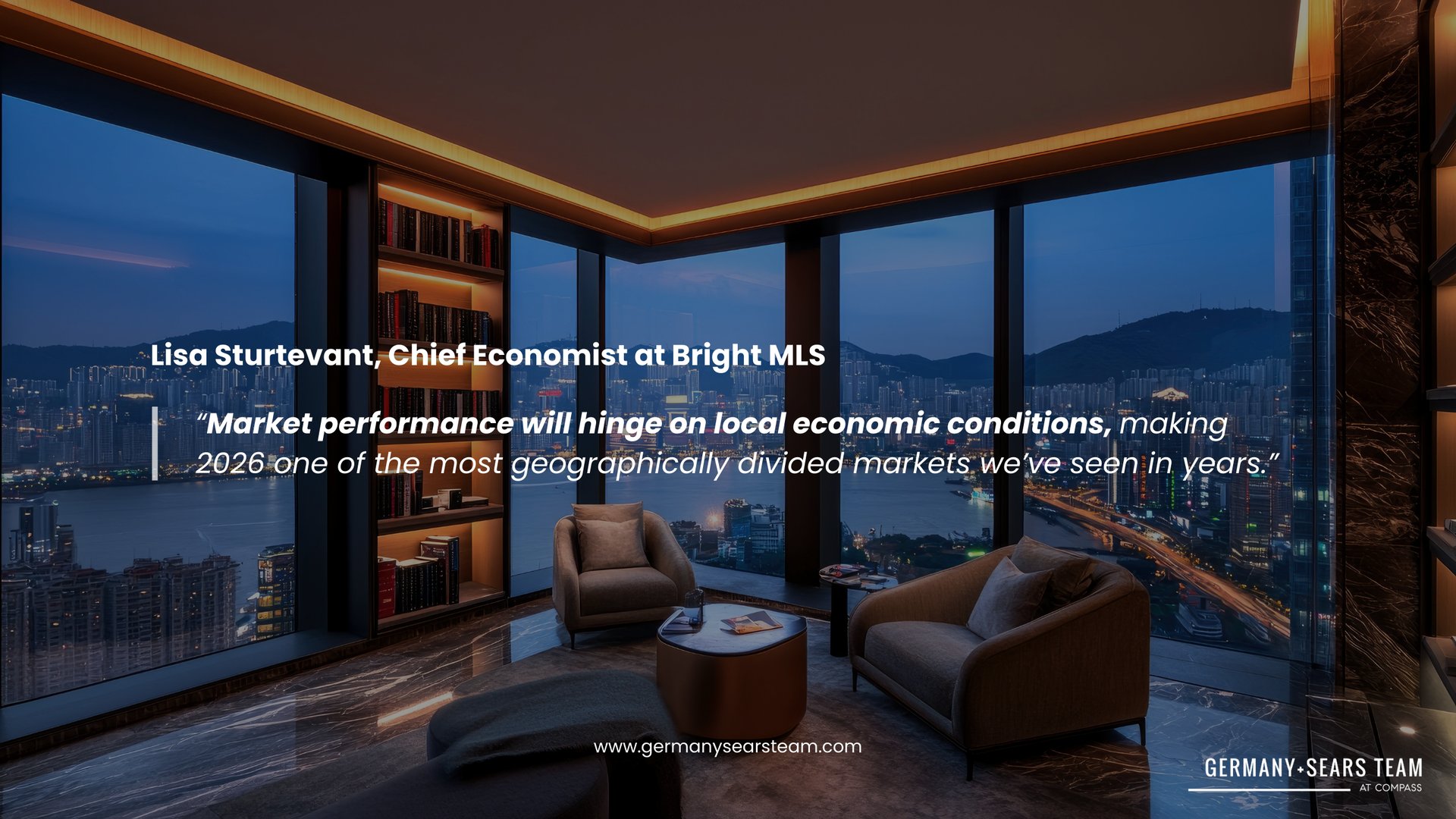
On the flip side, sellers shouldn’t think 2026 means a downturn:
-
Price growth isn’t collapsing — forecasts still show modest appreciation nationally, which protects homeowners’ equity. Facebook
-
Demand is stabilizing rather than evaporating, so well-priced homes in strong condition are still attracting buyers. The McClung Group
This balance creates a market where sellers can move with confidence and clarity — no more guessing if rates will tank tomorrow or if buyers will disappear. Instead, it’s about positioning and storytelling in a landscape that finally makes room for thoughtful decision-making.
4. The Big Picture: A More Healthy Market
That’s really the heart of the optimism: 2026 isn’t expected to be dramatic — it’s expected to be healthy. The McClung Group
A healthy housing market isn’t about explosive growth — it’s about balance. It’s a market where:
✔️ buyers feel good about their long-term investment
✔️ sellers can make strategic decisions instead of panic reactions
✔️ mortgage rates aren’t a daily roller coaster
✔️ inventory isn’t a bottleneck or a flood
And yes, it will still vary a lot from city to city and neighborhood to neighborhood. Local conditions matter more than ever in a market moving toward equilibrium, not away from extremes.
Your Takeaway as We Head Into 2026
If you’re thinking about buying — start building your strategy now (pre-approval, wish list, local market research).
If you’re thinking about selling — the coming year could be a great time to list, because buyers will have options — but still very real demand.
And if you’re still deciding — this shift toward balance could be the reassurance you’ve been waiting for.
2026 isn’t about headlines. It’s about opportunity grounded in stability. And in real estate, that’s a meaningful shift.